
Every homeowner wants a home that looks great and holds up against the elements, but not every improvement needs a massive budget to make a real difference. Small, strategic exterior upgrades can prevent costly damage, extend the life of your property, and boost curb appeal without draining your savings. This guide breaks down affordable exterior projects that genuinely protect your investment, from your roofline down to your driveway. Whether you are maintaining what you have or planning a small upgrade, these tips will help you spend wisely and avoid emergency repairs down the road.
Keeping Your Roofline in Good Shape

Your roof is the single most important barrier between your home and the weather, yet it is often the most neglected part of routine maintenance. Small issues like missing shingles, cracked flashing, or clogged gutters can turn into major leaks if ignored for too long. Scheduling an annual inspection is one of the most affordable ways to catch problems early before they require expensive structural repairs.
Many local roofers offer low-cost or even free inspections, especially after severe storms, which makes this an easy first step for budget-conscious homeowners. Catching a small leak early can save thousands compared to waiting until water damage spreads into your attic or walls.
- Check for curling, cracked, or missing shingles twice a year
- Clear gutters and downspouts every spring and fall
- Look for daylight or water stains in the attic after heavy rain
- Trim overhanging branches that can damage shingles or drop debris
Protecting Your Driveway From the Elements
A cracked or crumbling driveway is not just a cosmetic issue, it can lead to tripping hazards, drainage problems, and even foundation issues if water seeps underneath the slab. Sealcoating is one of the most affordable ways to extend the life of asphalt, typically costing a fraction of full replacement. Doing this every two to three years keeps moisture and UV rays from breaking down the surface.
If cracks have already formed, it is worth getting a quote from a licensed asphalt paving contractor rather than attempting a DIY patch that may not hold up through freeze-thaw cycles. A professional can identify whether the damage is surface-level or a sign of deeper base failure, which changes the repair approach entirely.
- Seal small cracks as soon as they appear
- Avoid parking heavy vehicles in the same spot repeatedly
- Ensure proper drainage away from the driveway edges
- Reapply sealcoat every two to three years for best protection
Choosing and Maintaining a Property Boundary

A well-maintained boundary does more than mark your property line, it also protects pets, children, and landscaping from outside elements. Wood, vinyl, and chain-link options each come with different price points and maintenance needs, so it helps to think about your climate and budget before committing. A quality fence installed correctly can last decades with only occasional upkeep.
Regular maintenance is what actually protects the investment over time, not just the initial installation. Checking for loose posts, rust, or rot once or twice a year prevents small issues from becoming full section replacements.
- Inspect posts and hardware for looseness or rust annually
- Reseal or restain wood fencing every two to three years
- Trim vegetation growing against fence lines to prevent moisture damage
- Repair leaning sections promptly to avoid full collapse
The Value of Regular Exterior Cleaning
Dirt, algae, and mildew do more than make a house look neglected, they can actually degrade siding, brick, and concrete over time if left unchecked. Routine power washing removes buildup that traps moisture against exterior surfaces, which helps prevent rot and material breakdown. This is one of the most affordable maintenance tasks a homeowner can do, whether hiring a pro or renting equipment for a weekend project.
Timing matters too, since cleaning your exterior before winter or after pollen season keeps grime from settling in for months. Soft washing techniques are often recommended for delicate surfaces like siding, while stronger pressure works well on concrete driveways and walkways.
- Clean siding and walkways at least once a year
- Use lower pressure settings on painted or wood surfaces
- Address algae and moss growth quickly to prevent staining
- Combine cleaning with a visual inspection for cracks or damage
Protecting Outdoor Storage Structures
Many homeowners overlook outdoor storage buildings until something goes wrong, but a small amount of upkeep can prevent expensive damage to tools, equipment, and seasonal items. Sheds are exposed to the same weather stress as the main house, including wind, moisture, and temperature swings, so their foundations and roofing deserve regular attention. A level base and proper drainage around the structure go a long way toward preventing shifting and water intrusion.
Simple maintenance like resealing seams, checking for rot at the base, and ensuring the door seals tightly can add years to a structure’s lifespan. A fresh bead of exterior-grade silicone or polyurethane caulk around roof seams and panel joints, applied once a year, typically costs under $10 per tube and prevents the slow water infiltration that rots framing from the inside out.
Pay close attention to where the structure meets the ground. Wood sills and floor joists sitting directly on soil or grass are especially vulnerable, so adding a gravel base, concrete blocks, or a treated-lumber skirt can lift the frame just enough to keep moisture from wicking upward. Look for soft, spongy wood or dark staining near the bottom few inches, since these are early warning signs that replacement will be needed if left unaddressed.
This is especially important for anyone storing valuable equipment or using the space as a workshop. Door seals and weatherstripping deserve the same attention as the main structure, since gaps as small as a quarter-inch can let in rain, dust, and pests that damage tools, seed, or fertilizer stored inside. Replacing worn rubber gaskets or adding a simple door sweep costs only a few dollars but keeps the interior dry and pest-free for years.
- Check the roof and seams each season for leaks, cracked caulk, or lifted shingles, paying close attention after heavy storms
- Keep surrounding ground graded away from the structure, aiming for a slope of about 1 inch per foot over the first 6 feet
- Repaint or reseal wood siding every 2-3 years, or sooner if you notice fading, chalking, or peeling paint
- Ensure proper ventilation with roof vents or gable vents to prevent moisture buildup and mold growth inside
- Inspect door and window seals annually, replacing worn weatherstripping to block drafts and pests
- Elevate stored items on shelves or pallets to reduce moisture damage from occasional flooring dampness
Maintaining the Systems Below Ground
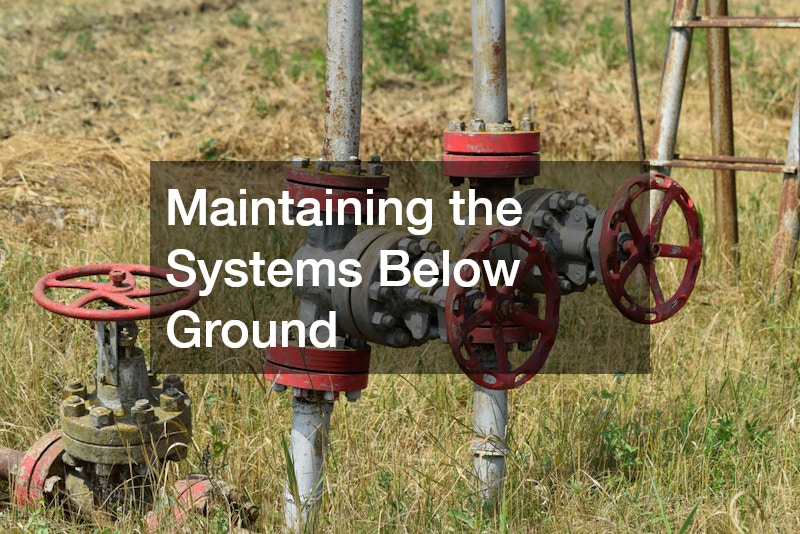
Underground systems are easy to forget because they are out of sight, but neglecting them can lead to some of the messiest and most expensive repairs a homeowner will ever face. Regular Septic Tank Cleaning prevents backups, foul odors, and potential contamination of your yard or nearby water sources. Most systems need attention every three to five years, though usage and household size can shift that timeline.
Ignoring warning signs like slow drains, gurgling pipes, or soggy patches in the yard can lead to a full system failure that costs far more than routine maintenance. Keeping a record of past service dates also helps you and future buyers understand the system’s condition if you ever sell the home.
- Schedule inspections every one to three years
- Avoid flushing wipes, grease, or chemicals that harm the system
- Watch for soggy spots or unusual odors in the yard
- Keep heavy vehicles off the drain field area
Keeping Cooling Systems Running Efficiently
While it might not seem like an exterior project, your outdoor condenser unit is exposed to the same weather and debris as the rest of your home’s exterior. Leaves, dirt, and grass clippings can clog the coils and reduce efficiency, forcing the system to work harder and wear out faster. Simple upkeep like clearing debris and keeping the unit level can prevent the need for early ac repair calls.
Scheduling a professional tune-up once a year, ideally before the hottest months begin, helps catch refrigerant leaks or worn parts before they cause a full breakdown. This kind of preventative care is far more affordable than replacing a compressor or the entire unit.
- Clear leaves and debris from around the outdoor unit
- Change air filters regularly to reduce strain on the system
- Keep at least two feet of clearance around the condenser
- Schedule a professional tune-up each spring
Caring for Backyard Water Features
A backyard pool can be a wonderful investment, but only if it is properly maintained to prevent structural damage and costly repairs. Cracked decking, unbalanced chemicals, and worn liners can all lead to bigger problems if left unaddressed for too long. Even small issues, like a hairline crack in the coping or a slow leak around the skimmer, can worsen quickly once freeze-thaw cycles or shifting soil get involved.
Water chemistry deserves particular attention, since pH and chlorine levels that drift out of range can corrode pumps, discolor plaster, and irritate skin within just a few days. Checking levels two to three times a week during peak season, rather than relying on guesswork, helps avoid these avoidable expenses.
Partnering with a reliable pool company for seasonal opening, closing, and occasional inspections helps catch small issues before they turn into major renovations. A thorough inspection typically covers the filtration system, pump motor, liner integrity, and surrounding decking or pavers for signs of shifting. Scheduling this service each spring and fall, rather than only when something breaks, tends to be far cheaper than replacing an entire liner or resurfacing a cracked pool shell later on.
Planning Ahead for Bigger Exterior Projects

Some exterior improvements are best planned well in advance, especially if they involve coordinating multiple services, permits, or timing around a move. Getting quotes early also gives you room to compare pricing, ask about warranties, and schedule work during off-peak seasons when contractors often offer better rates.
For homeowners upgrading a garage or workshop floor, epoxy flooring services offer a durable, easy-to-clean surface that resists stains, oil, and cracking far better than bare concrete. Most professional installations run between $3 and $12 per square foot depending on the number of coats and any decorative flake or quartz finishes, and the process typically takes two to three days from prep to full cure.
This kind of upgrade is relatively affordable and adds real functional value, particularly for those who use the space for storage, a home gym, or hobby projects. It’s also worth considering ahead of a move or home sale, since a clean, damage-resistant floor can boost curb appeal in listing photos and reduce buyer objections during inspection. Planning the project during a season with low humidity and stable temperatures helps ensure a smoother cure and a longer-lasting finish.
If your exterior improvements are part of preparing a home for sale or a move, timing matters just as much as the work itself. Booking movers early—ideally six to eight weeks before your move date—helps you lock in your preferred date and often secures better rates, since last-minute bookings tend to cost more and offer fewer scheduling options.
Exterior projects like sealing driveways, pressure washing siding, or repairing fence panels should be scheduled well before the move, both to avoid last-minute stress and to present the home in its best condition for buyers or new occupants. Weather-dependent tasks, such as sealing or exterior painting, need extra buffer time in case of rain delays or seasonal restrictions.
Planning these tasks three to four months ahead gives you room to compare quotes from multiple contractors, verify licensing and insurance, and avoid rushed decisions that often lead to overpaying. It also allows time to sequence the work logically—for example, completing repairs and cleaning before any final touch-up painting—so each step builds on the last instead of creating rework.
- Get at least three written quotes before committing to larger exterior projects like roofing, siding, or driveway replacement
- Compare quotes on materials and warranty terms, not just the bottom-line price
- Schedule big projects during off-peak seasons—late fall or winter—when contractors often offer 10-20% lower rates
- Book early if you want a specific crew, since off-season slots still fill up fast around the holidays
- Coordinate timelines carefully if a move or sale is part of the plan, ideally finishing exterior work 2-3 months before listing
- Ask your contractor for a certificate of completion or receipts to show buyers proof of recent upgrades
- Prioritize repairs that affect safety or structural integrity first, such as foundation cracks, roof leaks, or loose railings
- Address cosmetic upgrades like paint or landscaping only after these core issues are resolved
Protecting your home does not require a massive renovation budget, just consistent attention to the systems and structures that quietly keep your property safe. By tackling small, affordable projects on a regular schedule, you can avoid the emergency repairs that tend to be far more expensive and stressful. Start with an honest walk-through of your property to identify which areas need attention first, then build a simple maintenance calendar to stay ahead of problems. A little planning today can save you significant time, money, and headaches in the years ahead.